
Cybercriminal activity targeting Salesforce environments is showing signs of escalation, according to cybersecurity analysts, raising concerns for enterprises relying heavily on cloud-based CRM platforms.
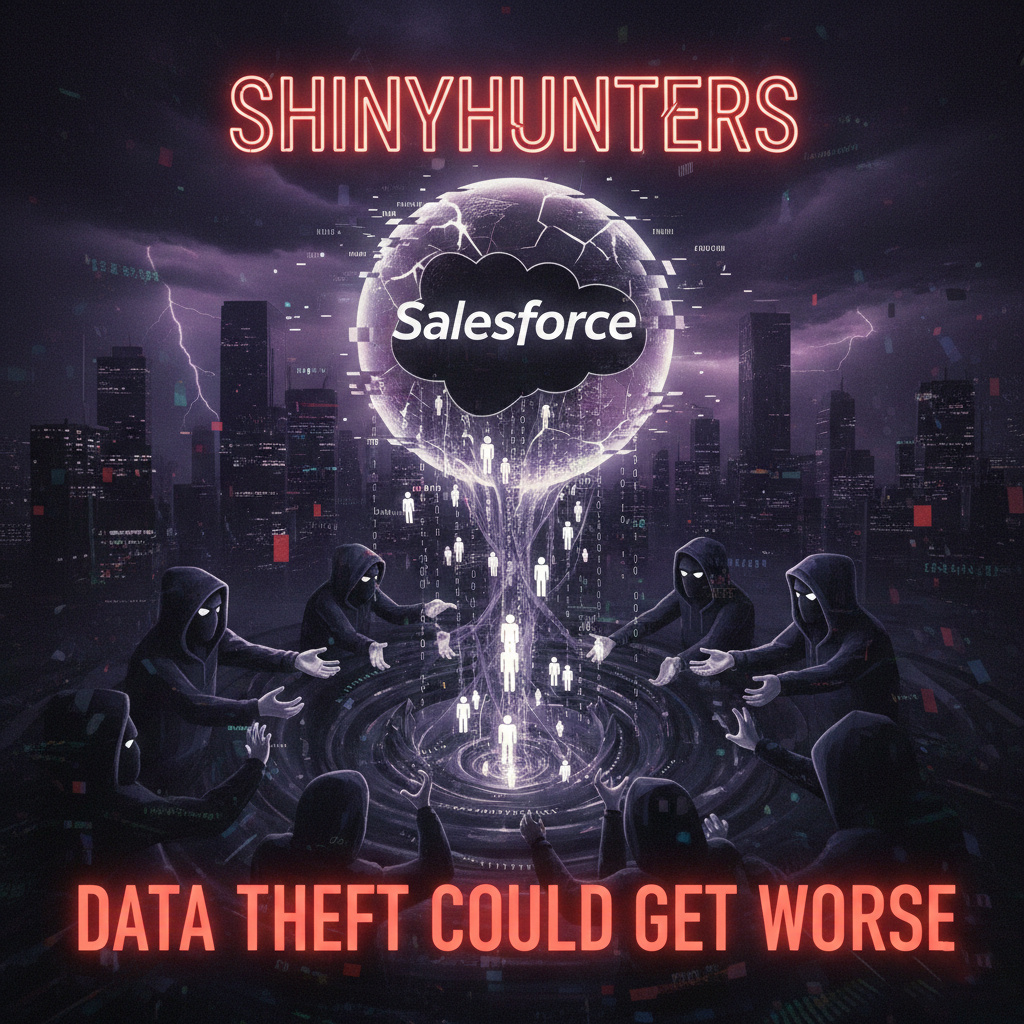
Security researchers warn that the threat group commonly referred to as ShinyHunters is evolving its attack strategies, shifting from isolated data theft incidents to more coordinated, large-scale campaigns aimed at extracting sensitive business and customer data.
Why the Risk Is Increasing
Unlike traditional cyberattacks that exploit software vulnerabilities, these incidents primarily rely on social engineering techniques. Attackers impersonate internal IT teams, support staff, or trusted vendors to trick employees into approving access requests or sharing authentication details. Once inside, attackers can silently extract large volumes of CRM data without triggering immediate alarms.
Because these methods exploit human behavior rather than platform weaknesses, even well-secured Salesforce environments may remain vulnerable if access controls and user awareness are not rigorously enforced.
Beyond Data Theft: Long-Term Impact
Experts caution that the real danger may extend beyond stolen records. Compromised Salesforce access can enable attackers to:
- Monitor ongoing sales pipelines and customer negotiations
- Access confidential contracts, pricing models, and forecasts
- Manipulate or delete records to disrupt business operations
- Use trusted CRM data for future phishing or fraud campaigns
In some cases, organizations only discover breaches weeks or months later after customers report suspicious activity.
Cloud Security Is a Shared Responsibility
Industry specialists emphasize that Salesforce itself remains a secure platform, but cloud security is a shared responsibility between the provider and the customer. Misconfigured permissions, excessive admin access, and unused OAuth connections can significantly increase exposure.
As attack methods become more refined, businesses are being urged to move beyond basic security checklists and adopt continuous monitoring, least-privilege access models, and proactive threat detection.
What Organizations Should Do Now
To reduce risk, Salesforce customers should:
- Review and restrict third-party app and OAuth access
- Enforce phishing-resistant multi-factor authentication
- Conduct regular user access audits
- Train employees to recognize impersonation and voice-based attacks
- Monitor login behavior and API usage in real time
The Bigger Picture
The ShinyHunters activity highlights a broader trend: cloud platforms are now prime targets for cybercrime. As CRM systems store increasingly valuable business intelligence, attackers are expected to intensify efforts rather than retreat.
For Salesforce users, the message is clear security must evolve as fast as the threats themselves.