- Building a successful Salesforce career requires a strong understanding of core concepts, hands-on practice, and consistent preparation. To crack a Salesforce interview on the first attempt, focus on fundamentals like CRM basics, data modeling, security, Flow, Apex, and Lightning, along with real-time project experience.
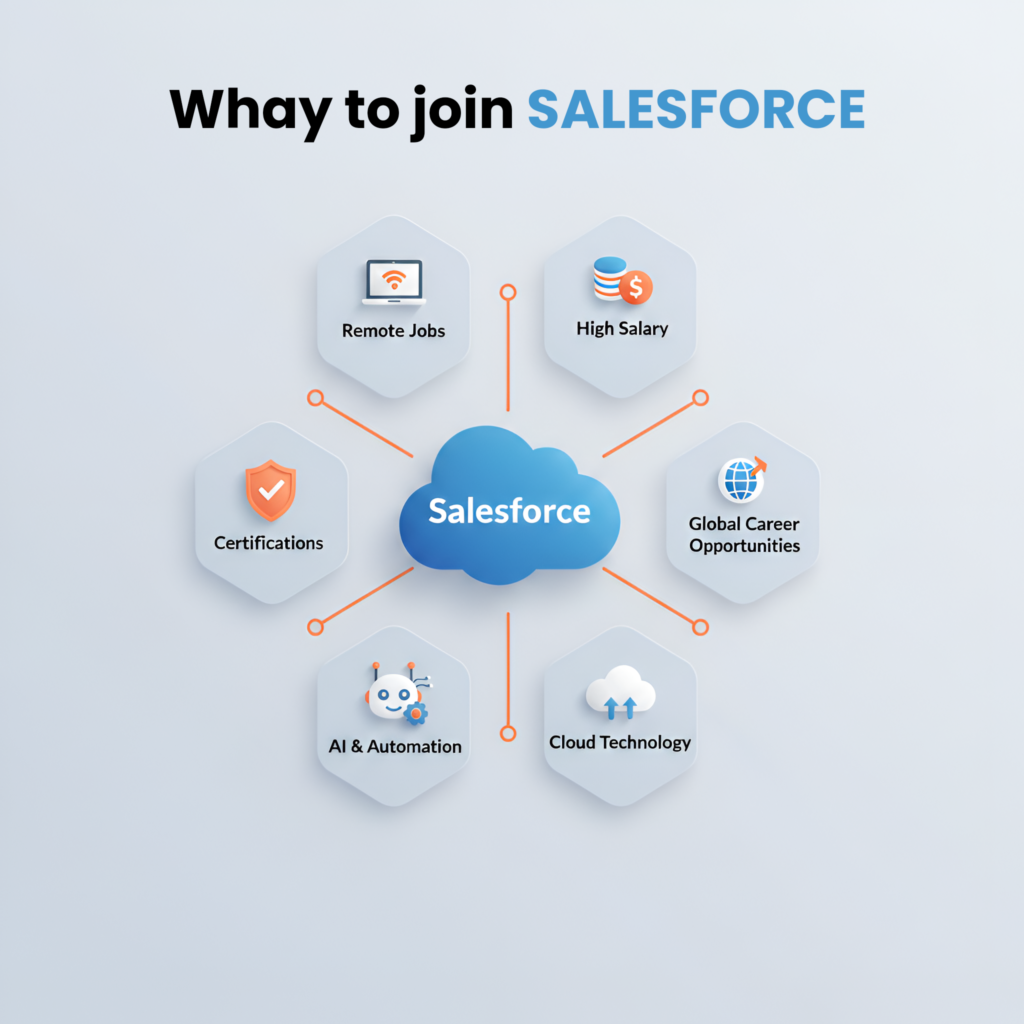
- Salesforce is a high-demand, future-ready career option offering strong salary growth, global opportunities, and multiple career paths such as Admin, Developer, Consultant, and Architect. With the rise of AI, automation, and cloud innovation, Salesforce professionals are increasingly valuable in digital transformation projects.
- With 3–6 months of focused preparation, practical implementation, and confidence, freshers can successfully enter the Salesforce ecosystem and build a long-term, rewarding career.
Crack Your Interview
with Confidence
Prepare Smarter for Your Salesforce Interview
Explore updated interview questions, practical examples, and expert guidance to help you succeed in today’s competitive Salesforce ecosystem.
Salesforce Administrator
A Salesforce Administrator plays a critical role in managing and maintaining an organization’s Salesforce environment. As an Admin, you are responsible for ensuring that the system is configured correctly, secure, and aligned with business processes.
What is Salesforce and what is CRM ?
What are Standard Objects and Custom Objects ?
What is a Profile in Salesforce ?
What is the difference between Profile and Role ?
What is a Permission Set ?
What is Organization-Wide Default (OWD) ?
What is Field-Level Security ?
What is a Page Layout ?
What is the difference between Lookup and Master-Detail relationship ?
What is a Validation Rule ?
How does Role Hierarchy affect data visibility ?
What are Sharing Rules and when do you use them ?
What is the difference between Public Groups and Queues ?
What is Record Type and why is it used ?
What are Assignment Rules ?
What is Salesforce Flow ?
What is the difference between Before-Save and After-Save Flow ?
What are different types of Reports in Salesforce ?
What are Dynamic Dashboards ?
How do you manage duplicate records ?
How would you troubleshoot a user access issue ?
What is Data Skew and how do you handle it ?
Explain the Salesforce Security Model in detail.
How do you optimize large data volume performance ?
What is OAuth and how does Salesforce use it ?
How do you design a no-code automation solution ?
How would you migrate data from one org to another?
How do you implement secure API integrations ?
What are best practices for Flow optimization ?
How do you handle multi-department data separation in a single org ?
How is AI impacting Salesforce Administration ?
How do you use automation to reduce manual operations ?
How would you prepare an org for scalability ?
Salesforce Developer
A Salesforce Developer is responsible for building and customizing solutions on the Salesforce platform using Apex, Lightning Web Components (LWC), and integrations. They develop scalable, secure, and high-performance applications based on business requirements. Their role includes writing clean code, implementing automation, integrating external systems, and ensuring the platform runs efficiently to support business growth.
What is Apex in Salesforce ?
What are the different types of Apex Triggers ?
What is the difference between Before and After Triggers ?
What are Governor Limits ?
What is SOQL and how is it different from SOSL?
What is a Wrapper Class?
What is a Static Variable in Apex?
What is the difference between List, Set, and Map?
What is a Test Class in Salesforce?
What is Code Coverage and why is it important?
What are Bulkification best practices in Apex ?
What is the difference between Future, Batch, and Queueable Apex ?
What is a Batch Apex lifecycle ?
What is a Scheduled Apex ?
What is a Custom Metadata Type ?
What is the difference between Custom Settings and Custom Metadata ?
How do you handle Exceptions in Apex?
What is a Lightning Web Component (LWC) ?
Difference between Aura Components and LWC ?
How do you call Apex from LWC ?
What is an Apex Transaction and how does it work?
How do you avoid recursion in Triggers?
What are different Integration Patterns in Salesforce?
What is OAuth and how is it used in Salesforce integrations?
How do you optimize SOQL queries for large data volumes?
What is a Named Credential?
How do you secure Apex code?
What is Platform Event and when would you use it?
How does Salesforce handle multi-tenant architecture?
How is AI impacting Salesforce Development in 2026?
How is AI (Einstein & Generative AI) changing Salesforce development in 2026 ?
How do you design AI-ready Apex and LWC solutions for scalable automation ?
What best practices do you follow for building secure API integrations using OAuth 2.0 and Named Credentials ?
How do you optimize performance when working with Large Data Volumes (LDV) in enterprise orgs ?
How are Platform Events and Event-Driven Architecture shaping modern Salesforce development ?
Salesforce Integration Specialist
A Salesforce Integration Specialist connects Salesforce with external systems to ensure smooth and secure data exchange. They build integrations using APIs, Apex callouts, and middleware tools, enabling real-time and automated data synchronization. Their role ensures seamless system communication, data accuracy, and scalable integration solutions that support business growth.
What is Salesforce Integration ?
What are the different types of Salesforce APIs ?
What is the difference between REST API and SOAP API in Salesforce ?
What is an Apex Callout ?
What is the difference between synchronous and asynchronous callouts ?
What is Named Credential in Salesforce ?
What is OAuth and why is it used in integrations ?
What is JSON and how is it used in Salesforce integrations ?
What is a Connected App in Salesforce ?
What are Platform Events ?
How do you handle authentication in Salesforce integrations ?
What is the difference between REST API and Bulk API ?
How do you handle large data volumes in integration ?
What are External Services in Salesforce ?
What is Change Data Capture (CDC) ?
What is the difference between Outbound Message and Platform Event ?
How do you secure API endpoints in Salesforce ?
What are governor limits in callouts ?
How do you handle error handling in integrations?
What is middleware? Have you worked with MuleSoft ?
How would you design a real-time integration between Salesforce and an ERP system ?
How do you implement retry mechanisms in integration ?
What is JWT Bearer Flow ?
How do you optimize API performance in Salesforce ?
What is Event-Driven Architecture in Salesforce ?
How do you handle bidirectional sync between systems ?
What are the best practices for integration security ?
How do you monitor and log integration performance ?
How would you migrate an old SOAP integration to REST ?
Explain a complex integration project you have implemented.
How would you design AI-powered integrations between Salesforce and external systems ?
How can Salesforce Data Cloud be integrated with external platforms for unified customer data ?
How do you implement event-driven architecture using Platform Events and Streaming APIs ?
How would you secure Salesforce integrations in a Zero Trust multi-cloud environment ?
How do you build scalable global integrations using Hyperforce architecture ?
Salesforce Triggers
A Salesforce Trigger Developer designs and implements automated business logic that runs in real time when records are created, updated, deleted, or restored in Salesforce. They build scalable and bulk-safe triggers using Apex to enforce complex validations, automate processes, and maintain data consistency across related objects. Their role ensures efficient transaction handling, adherence to governor limits, and seamless execution of custom logic, delivering reliable, secure, and high-performance automation solutions that support evolving business requirements.
What is a Trigger in Salesforce ?
What are the different types of Triggers in Salesforce ?
What is the difference between Before and After Triggers ?
What are Trigger Events in Salesforce ?
What is the difference between
Trigger.newandTrigger.old?What is
Trigger.isInsert,Trigger.isUpdate, andTrigger.isDelete?What is a Context Variable in Triggers ?
Can we call a future method from a Trigger ?
What are Governor Limits in the context of Triggers ?
What is a Bulk Trigger ?
How do you make a Trigger bulk-safe ?
Why should we avoid SOQL inside loops in Triggers ?
What is a Recursion issue in Triggers and how do you prevent it ?
What is the difference between
Trigger.newMapandTrigger.oldMap?Can we modify records in an After Trigger ?
How do you handle multiple Triggers on the same object ?
What is a Trigger Framework ?
How do you write a Test Class for a Trigger ?
What is the use of Static Variables in Triggers ?
How do you handle exceptions in Triggers ?
How do you implement a One-Trigger-Per-Object pattern ?
How do you control Trigger execution order in Salesforce ?
How do you handle cross-object updates in Triggers ?
How do you prevent infinite loops between two object Triggers ?
What is the role of Asynchronous Apex in Trigger optimization ?
How do you handle large data volumes (LDV) in Trigger logic ?
How do Platform Events interact with Triggers ?
How do you design scalable Trigger architecture in enterprise projects ?
What are best practices for writing high-performance Triggers in 2026 ?
How is AI-driven automation impacting traditional Trigger development in 2026 ?
How is AI-driven automation changing the role of Apex Triggers in 2026 ?
When should you use Platform Events instead of traditional Triggers ?
How do you optimize Triggers for high-volume enterprise data processing ?
How do you design a scalable One-Trigger-Per-Object framework ?
How do you enforce security (CRUD/FLS) within Apex Triggers in 2026 ?
Salesforce Lightning
A Salesforce Lightning builds modern, responsive, and dynamic user interfaces on the Salesforce platform using Lightning Web Components (LWC), Aura, and Apex. They design intuitive user experiences, customize pages, and develop reusable components that enhance productivity and streamline business processes.
They leverage Lightning Data Service, wire adapters, and secure server-side logic to ensure high performance and seamless data interaction. Their role focuses on delivering scalable, user-friendly, and mobile-ready applications that improve efficiency and drive digital transformation across the organization.
What is Salesforce Lightning ?
What is Lightning Web Components (LWC) ?
What is the difference between Aura and LWC ?
What are the main files in an LWC component ?
What is @api decorator in LWC ?
What is @track in LWC? Is it still required in 2026 ?
What is @wire in LWC ?
What is Lightning Data Service (LDS) ?
How do you pass data from parent to child in LWC?
How do you handle events in LWC ?
What is the difference between imperative Apex and @wire Apex ?
How do you make Apex calls from LWC ?
What are lifecycle hooks in LWC ?
What is renderedCallback() used for ?
How do you communicate between sibling components ?
What are Custom Events in LWC ?
How do you handle form validation in LWC ?
What is Lightning Message Service (LMS) ?
How do you implement navigation in LWC ?
How do you optimize LWC performance ?
How do you enforce CRUD and FLS in LWC ?
How do you secure Apex methods used in LWC ?
How do you handle large data sets in LWC data tables ?
What is lazy loading in LWC ?
How do you implement reusable component architecture ?
How do you use Static Resources in LWC ?
How do you integrate third-party libraries in LWC ?
How does LWC support event-driven architecture in 2026 ?
What are best practices for enterprise-level Lightning development ?
How is AI (Einstein + Copilot) impacting Lightning development in 2026 ?
How is Salesforce AI (Einstein Copilot) transforming Lightning Web Component development in 2026 ?
When should you use Lightning Message Service over traditional component communication patterns ?
How do you design high-performance LWCs for enterprise-level large data volumes ?
How do you implement secure, scalable component architecture in modern Lightning applications ?
How is event-driven architecture influencing Lightning development in 2026 ?
Salesforce Vlocity
A Salesforce Vlocity (Industries) Developer designs and delivers industry-specific digital solutions using Salesforce Industries (formerly Vlocity). They build scalable applications using OmniStudio tools such as OmniScripts, DataRaptors, Integration Procedures, and FlexCards to streamline complex business processes.
They configure industry data models, automate customer journeys, and integrate external systems to support telecom, insurance, healthcare, and other sector-specific needs. Their role ensures faster implementation, enhanced customer experiences, and scalable, compliant solutions tailored to industry standards and business growth objectives.
What is Salesforce Vlocity (Salesforce Industries) ?
What is OmniStudio ?
What are the main components of OmniStudio ?
What is an OmniScript ?
What is a DataRaptor ?
What is an Integration Procedure ?
What is a FlexCard ?
What is the Industry Data Model ?
What is the difference between DataRaptor Extract and Load ?
How does Vlocity differ from standard Salesforce customization ?
How do OmniScripts interact with DataRaptors and Integration Procedures ?
What is the difference between Integration Procedure and Apex ?
How do you optimize performance in OmniScripts ?
What is a Calculation Matrix in Vlocity ?
What are Vlocity EPC (Enterprise Product Catalog) components ?
How do you implement conditional views in OmniScript ?
What is the role of FlexCards in UI development ?
How do you deploy Vlocity components between orgs ?
What is Vlocity IDX Build Tool ?
How do you handle external system integration in Vlocity ?
How do you design scalable industry-specific solutions using Vlocity ?
How do you manage large data volumes in Industry Data Models ?
How do you implement reusable OmniScripts across multiple processes ?
How do you secure Vlocity components and enforce data access ?
What are best practices for Integration Procedure optimization ?
How do you implement event-driven architecture in Vlocity ?
How do you extend Vlocity functionality using Apex and LWC ?
How does Vlocity support AI-driven customer journeys in 2026 ?
What are the performance tuning techniques in OmniStudio ?
How do you design enterprise-grade Telecom/Insurance solutions using Vlocity ?
How is AI-driven personalization transforming OmniStudio customer journeys in 2026 ?
How do you design event-driven, real-time integrations using Integration Procedures and Platform Events ?
How do you optimize OmniStudio components for high-volume enterprise environments ?
How is EPC evolving to support dynamic pricing and subscription-based business models in 2026 ?
How do you build scalable, reusable industry solutions across multiple business units using Vlocity ?
Salesforce Internship
A Salesforce Intern supports the development and customization of Salesforce solutions while gaining hands-on experience with real-world projects. They assist in configuring objects, fields, flows, reports, and dashboards, and may contribute to Apex, Lightning Web Components (LWC), or integration tasks under senior developer guidance. They participate in requirement analysis, testing, documentation, and deployment activities to understand the full Salesforce development lifecycle. Their role focuses on learning best practices, improving technical skills, and contributing to scalable, secure, and efficient CRM solutions that support business operations and growth.

What is Salesforce and why is it used ?
What are Objects and Fields in Salesforce ?
What is the difference between Standard and Custom Objects ?
What is a Record and Record Type ?
What are Profiles and Permission Sets ?
What is a Workflow or Flow in Salesforce ?
What is Apex ?
What is a Trigger ?
What is Lightning Web Components (LWC) ?
What is SOQL ?
What are Governor Limits in Salesforce ?
What is the difference between Before and After Triggers ?
How do you make Apex code bulk-safe ?
What is a Test Class and why is it important ?
What is the difference between List, Set, and Map in Apex ?
How do you deploy changes from Sandbox to Production ?
What is Salesforce Flow Builder ?
What is Lightning Data Service ?
How do you integrate Salesforce with external systems ?
What is the difference between @wire and Imperative Apex in LWC ?
How is AI impacting Salesforce development in 2026 ?
What is event-driven architecture in Salesforce ?
How do you ensure data security in Salesforce ?
What is the importance of reusable component design ?
How do you handle large data volumes in Salesforce ?
What is the role of APIs in Salesforce integrations ?
What is the difference between Flow and Apex ?
How do you optimize performance in Lightning components ?
What is DevOps in Salesforce ?
Why should we hire you as a Salesforce Intern ?
How is AI (Einstein Copilot) changing the role of Salesforce developers in 2026 ?
What is event-driven architecture and why is it important in modern Salesforce projects ?
How do you ensure data security and compliance in cloud-based CRM systems ?
How is DevOps transforming Salesforce development and deployment processes ?
Why is learning both low-code (Flow) and pro-code (Apex/LWC) important in 2026 ?
Salesforce Architect
A Salesforce Architect designs and oversees end-to-end Salesforce solutions that align with business strategy and enterprise architecture standards. They define system architecture, data models, integration patterns, security frameworks, and scalability strategies across multiple clouds and external systems. They guide development teams on best practices in Apex, Lightning, integrations, and DevOps, ensuring high performance, maintainability, and compliance. Their role ensures robust, secure, and future-ready Salesforce ecosystems that support digital transformation, operational efficiency, and long-term business growth.
What is the role of a Salesforce Architect in an enterprise project ?
What are the different types of Salesforce Architects ?
How do you design a scalable Salesforce architecture ?
What is multi-org vs single-org strategy ?
How do you design an enterprise data model in Salesforce ?
What is the role of integration architecture in Salesforce ?
How do you handle large data volumes (LDV) in Salesforce ?
What are governor limits and how do they impact architecture decisions ?
How do you implement high-availability and disaster recovery strategies ?
What are Salesforce Well-Architected principles ?
What integration patterns are commonly used in Salesforce ?
How do you design API-led connectivity architecture ?
How do you secure Salesforce integrations ?
What is event-driven architecture in Salesforce ?
How do you manage authentication and authorization in integrations ?
How do you design real-time vs batch integration solutions ?
What is the role of middleware like MuleSoft in enterprise architecture ?
How do you enforce data governance and compliance ?
How do you implement field-level security and sharing architecture ?
How do you design a secure DevOps pipeline for Salesforce ?
How is AI impacting Salesforce architecture in 2026 ?
How do you design composable and modular Salesforce solutions ?
How do you optimize performance in multi-cloud implementations ?
How do you design an enterprise CI/CD strategy for Salesforce ?
How do you ensure scalability across global deployments ?
What is the role of Platform Events and CDC in enterprise solutions ?
How do you design a hybrid architecture with on-premise systems ?
How do you manage technical debt in large Salesforce implementations ?
How do you balance low-code vs pro-code in architectural decisions ?
How do you align Salesforce architecture with business transformation goals ?
How is AI impacting Salesforce architecture in 2026 ?
What is composable architecture in Salesforce ?
How do you design event-driven integrations ?
How do you implement enterprise DevOps in Salesforce ?
How do you ensure global scalability and security?
Salesforce Flow
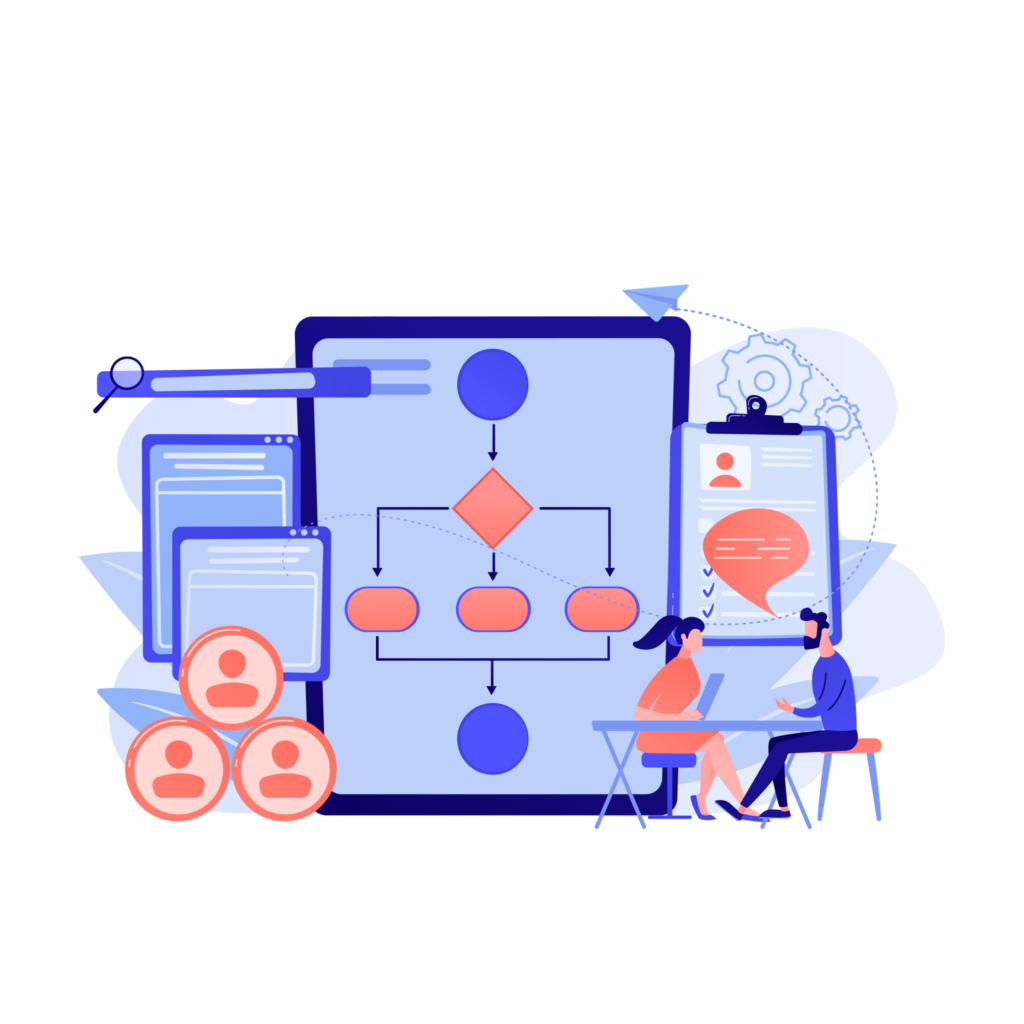
A Salesforce Flow Developer designs and automates business processes using Salesforce Flow to streamline operations and reduce manual effort. They build record-triggered flows, screen flows, scheduled flows, and autolaunched flows to handle complex logic without heavy coding. They integrate data across objects, enforce validations, and ensure real-time process automation while maintaining security and performance standards. Their role focuses on creating scalable, efficient, and user-friendly automation solutions that improve productivity and support business growth.
What is Salesforce Flow ?
What are the different types of Flows in Salesforce ?
What is a Record-Triggered Flow ?
What is a Screen Flow ?
What is an Autolaunched Flow ?
What is a Scheduled Flow ?
What is the difference between Before-Save and After-Save Flow ?
What are Flow Elements ?
What is a Decision Element in Flow ?
How do you debug a Flow ?
How do you call Apex from Flow ?
What are Subflows ?
How do you handle errors in Flow ?
What is Flow Trigger Explorer ?
How do you avoid recursion in Record-Triggered Flows ?
How do you handle bulk data in Flow ?
What is the difference between Workflow Rules and Flow ?
How do you optimize Flow performance ?
What is a Collection Variable in Flow ?
How do you deploy Flows between environments ?
How is AI enhancing Salesforce Flow automation in 2026 ?
When should you use Flow instead of Apex ?
How do you design scalable enterprise-level Flow automation ?
How do you enforce security (CRUD/FLS) in Flow ?
How do you implement event-driven automation using Flow ?
How do you manage Flow governance in large organizations ?
What are best practices for Flow naming conventions and structure ?
How do you handle large data volumes with Scheduled Flows ?
How do you monitor and maintain Flows in production ?
How do you balance low-code Flow automation with pro-code Apex development ?
How is AI (Einstein Copilot) transforming Flow automation in 2026 ?
How do you design scalable, enterprise-level record-triggered Flows ?
How do you implement event-driven automation using Platform Event-Triggered Flows ?
How do you balance low-code Flow automation with pro-code Apex solutions ?
How do you optimize Flow performance for large data volumes in 2026 ?
Salesforce FAQs
- Cracking a Salesforce interview on the first attempt requires a strong foundation in core concepts like Objects, Security, Automation (Flow), Apex, LWC, and Integrations. Focus on understanding real-time scenarios instead of just memorizing definitions.
- Build at least 1–2 hands-on projects, practice interview questions regularly, and be confident in explaining your logic clearly. Companies look for problem-solving ability, practical knowledge, and communication skills not just theory.
- As a fresher, start with Salesforce basics: CRM concepts, Data Model, Security, Flow, and Reports. Then gradually move to Apex and Lightning Web Components.
- Create a demo project (like Lead Management or Case Automation) to showcase your practical skills. Practice scenario-based questions and understand current trends like AI, DevOps, and integrations in Salesforce.
- Yes, Salesforce is one of the fastest-growing cloud platforms globally. It offers high demand, strong salary packages, global opportunities, and long-term career growth.
- With roles ranging from Admin, Developer, Consultant, Architect, to AI Specialist, Salesforce provides multiple career paths suitable for different skill sets.
- Salesforce combines technology, business strategy, and innovation in one platform. It allows professionals to work on real-world digital transformation projects across industries like Healthcare, Finance, Telecom, and Retail.
- The ecosystem is continuously evolving with AI (Einstein), automation, and cloud solutions, making it a future-proof career choice.
- For beginners, 3–6 months of focused preparation is usually sufficient. This includes learning basics, hands-on practice, certifications (optional but helpful), and mock interviews.
- Consistent daily learning (1–2 hours) and practical implementation are more important than long study hours without practice.
Summary
Insights, Analysis, and Salesforce Updates
Get trusted Salesforce intelligence delivered straight to your inbox.
About Website
Learn Salesforce smarter with expert tips and real experience.
Copyright © 2026. All Rights Reserved by LightForceiQ.